
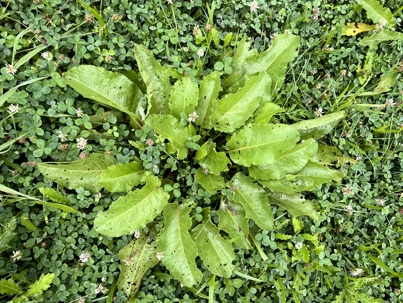
Spring in Texas is a beautiful time, but it also marks the beginning of a fierce competition in your yard. As the weather warms up, weeds start popping up everywhere, trying to steal water and nutrients from your grass. Many homeowners think the best way to handle this is to head outside and start pulling them by hand. However, simply tugging on a green leaf rarely solves the problem and can actually lead to more weeds later in the season.
The Hidden Complexity of Texas Spring Weeds
To win the battle against weeds, you first have to know what you are fighting. In Texas, we deal with a variety of cool-season weeds that survived the winter and warm-season weeds that are just waking up. These plants are survivors, designed to grow quickly and spread seeds before you even notice they are there. Pulling them might make the lawn look better for a day, but most weeds have survival mechanisms that make manual removal ineffective.
Understanding how these plants grow is the first step toward a healthier lawn. Some of the most common troublemakers include:
- Broadleaf weeds: These have wide leaves and often produce bright flowers, like dandelions or henbit, which can spread thousands of seeds if left alone.
- Grassy weeds: These look similar to your actual grass, making them hard to spot until they take over large patches of your yard.
- Taproot specialists: Weeds like dandelions have a long, central root that can grow deep into the soil, making it nearly impossible to pull the whole thing out.
Why Manual Pulling Often Backfires
It feels productive to reach down and pull a weed out of the dirt, but this often does more harm than good. When you pull a weed, you are essentially tilling a tiny part of your soil. This movement brings buried weed seeds to the surface, where they get the sunlight they need to sprout. Furthermore, if you don't get every single inch of the root, the plant can grow back even stronger than before.
Many common Texas weeds are perennial, meaning they live for several years and store energy in their root systems. Tearing off the top of the plant acts like a pruning session, encouraging the root to send up new shoots. You might also accidentally drop seeds during the process, effectively planting next month's weed crop for yourself. Manual pulling is a never-ending cycle that treats the symptom rather than the cause.
The Science of Selective Control
A selective approach is much more effective because it uses science to target the weed without hurting your grass. Think of it like a smart treatment that knows the difference between a dandelion and your Bermuda or St. Augustine turf. Instead of disturbing the soil and inviting new seeds to grow, a selective treatment works through the leaves or the root system to shut the weed down completely.
This method is much more efficient than spending hours on your knees in the Texas heat. It ensures the entire plant is neutralized, including parts underground you can't see. By using products specifically designed for our local environment, you can protect your lawn's health while clearing out unwanted pests.
Timing and Prevention: The Winning Strategy
In the world of lawn care, the best offense is a good defense. While it is important to treat weeds once they appear, it is even better to stop them from ever showing up. This is where pre-emergent treatments come into play. These are applied before weed seeds have a chance to sprout, creating a barrier that keeps your lawn clean from the start of the season.
If you wait until your lawn is covered in yellow flowers or purple henbit, you are already playing catch-up. A consistent care schedule ensures your lawn receives the nutrients it needs to grow thick and lush. A thick lawn is actually the best weed killer there is, as it leaves no room for sunlight or water to reach weed seeds.
Essential steps for a weed-free spring:
- Early application: Applying treatments before the ground hits a certain temperature stops seeds from waking up.
- Proper mowing: Keeping your grass at the right height provides shade to the soil, which discourages weed growth.
- Deep watering: Strong grass roots outcompete weed roots for resources during the dry Texas months.
Professional Care for a Healthy Texas Lawn
Managing a lawn in Texas requires an understanding of how our unique soil and weather patterns affect plant growth. While manual pulling might offer a temporary fix, it rarely addresses the underlying issues of seed spread and root survival. Taking a scientific, selective approach ensures that your grass remains the priority while unwanted weeds are handled effectively and safely.
At Perm-O-Green, we focus on the long-term health of your property through a comprehensive 7-application program. Our team specializes in fertilization and weed control specifically designed for Texas turf, utilizing professional-grade products that are safe for your family and pets. By incorporating specialized techniques like aeration and grub prevention, we address the specific challenges of your soil to keep your lawn thick, green, and resilient against invaders.
Don't spend your weekends fighting a losing battle against stubborn weeds. Contact Perm-O-Green today to start your customized lawn care plan! Just fill out this online form or call us at (800) 903-1460 to request an estimate.