
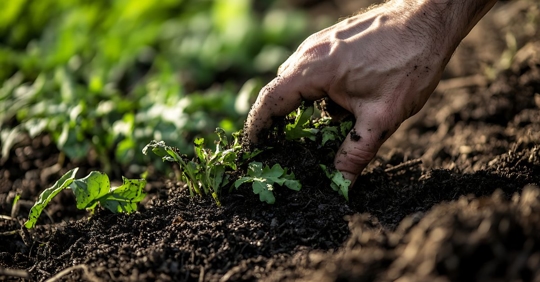
DIY fertilization is extremely popular among homeowners, and for good reason — it feels hands-on, cost-effective, and deeply satisfying to take control of your own lawn’s nutrition. But the big question remains: can DIY fertilization actually deliver the healthy, green, thriving lawn you want? The answer: sometimes yes… but it depends on your knowledge, consistency, and approach. Fertilization is chemistry, timing, soil science, and plant physiology all rolled into one. So while DIY methods can absolutely work, it’s important to understand how fertilization actually functions — and where the limitations are — before relying on DIY alone.
What Does DIY Fertilization Actually Mean?
DIY fertilization simply means you, the homeowner, choosing and applying your own fertilizer products rather than hiring a licensed lawn care professional.
DIY options fall into two main categories:
- Compost
- Manure
- Grass clippings
- Kitchen waste converted into plant food (eggshells, banana peel tea, coffee grounds, etc.)
These methods support soil building and often align with sustainable gardening values. They slowly improve soil structure, feed microbes, and naturally cycle nutrients.
DIY Synthetic Fertilizer Products
These are the store-bought bags or jugs from big box retailers:
- Granular or liquid formulations
- N-P-K ratios for specific growth goals
- Fast nutrient release and fast results
These products give quick green-ups but must be applied carefully. Too much nitrogen or phosphorus can burn roots or leach into groundwater.
Both approaches can work — as long as you understand what plants need and what your soil already contains.
Fertilization Is About Science, Not Guesswork
Plants don’t just need “plant food” — they need specific nutrients in the right balance, at the right time, and in the right amount.
The big three macronutrients:
- Nitrogen (N): green growth and leaf development
- Phosphorus (P): root development and flowering
- Potassium (K): overall health, disease resistance, stress tolerance
But plants also need micronutrients like iron, zinc, copper, and manganese — in tiny amounts. Those trace elements drive enzymes and biological reactions that keep a lawn strong, green, and resilient.
Step one before any DIY approach should always be a soil test.
A soil test tells you:
- what your soil already has enough of
- what it’s missing
- what pH adjustments may be needed
- how nutrient-available your soil actually is
Without soil data, DIY fertilization becomes guessing — and guessing can lead to lawn damage.
The Advantages of DIY Fertilization
DIY fertilization has some compelling benefits:
- It’s usually cheaper than professional services
- Materials are easy to access
- You can customize based on your own preferences
- It can be more environmentally friendly if you use organic sources
- It creates a sense of accomplishment and connection to your landscape
Many homeowners also love the idea of reducing waste — transforming yard debris or kitchen scraps into usable, beneficial fertilizer. Composting and mulching are excellent DIY strategies that enhance soil quality over time.
The Downsides and Limitations of DIY Fertilization
Even organic options can be overdone — manure is a perfect example. Too much nitrogen is too much nitrogen, no matter where it comes from.
A second limitation: DIY fertilization rarely includes consistent monitoring. Professionals take a proactive, ongoing approach based on seasonal timing, product calibration, and ongoing lawn response — which is often difficult to match with occasional DIY application.
Too much fertilizer can:
- burn grass blades
- damage roots
- push too much leafy growth
- weaken the lawn
- encourage pests and disease
- contaminate stormwater systems
So… Is DIY Fertilization Effective?
Yes — if you have the time, knowledge, and willingness to do it properly. For smaller spaces or for gardeners who truly enjoy the process, DIY can be an empowering and cost-friendly choice.
But for larger yards, bigger turf areas, or homeowners who don’t want to risk nutrient imbalance, partnering with professionals may lead to more reliable, measurable results.
The most effective lawn care approach often ends up being a combination of both — using DIY methods for soil building and organic matter, while leaving complex nutrition planning and precision timing to a trained service.
Final Thoughts
Healthy lawns don’t happen by accident — they require the right nutrients, timed for the right season, calibrated for the right species of grass, based on real soil data. If you enjoy hands-on gardening, DIY fertilization can be rewarding. But if you’re unsure, occasional professional support can help ensure the success of your efforts.
Perm-O-Green provides personalized fertilization service backed by science and tailored to your lawn’s specific needs — so whether you choose DIY, professional help, or a mix of both, we’ll give you the guidance you need to make smart, informed choices about your lawn.
If you’d like more support, insight, or direction on fertilization options — our team is here to help. Call Perm-O-Green today at (800) 903-1460 or contact us online.