
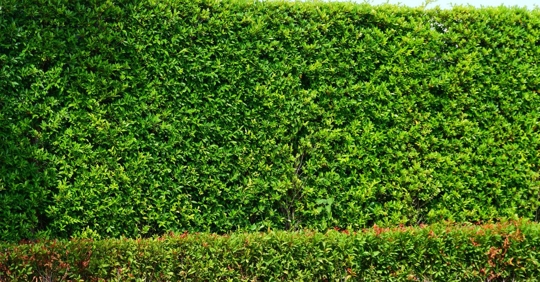
It can be easy to forget about shrubs once the weather turns colder—after all, they’re not blooming, they’re not growing quickly, and they’re not demanding much attention. But winter is actually one of the most important seasons when it comes to long-term shrub health. Frozen ground, dry winds, fluctuating temperatures, and heavy snow can all put stress on shrubs that aren’t properly prepared. When you take the right winterizing steps now, you create the conditions shrubs need to not only survive winter—but bounce back healthier, fuller, and stronger when spring returns.
Below are practical, professional-grade shrub care strategies that help protect your landscape investment through the cold months.
Pruning: What to Trim, What to Leave, and When to Do It
Winter pruning does more than improve aesthetics—it reduces disease risk and prevents weak or damaged branches from becoming larger problems.
Key winter pruning reminders:
- Lightly shape evergreen shrubs in late fall to maintain form
- Remove dead, diseased, or crossing branches from deciduous shrubs
- Avoid heavy structural pruning until late winter or very early spring
Make each cut clean, angled, and intentional. Dull tools mash and tear tissue, which slows healing and raises the chance of infection. Always sterilize pruning tools with alcohol or a bleach solution between shrubs to avoid transferring fungus or bacteria.
Remember: pruning is not one-size-fits-all. Some shrubs (like hydrangeas and lilacs) set next year’s flower buds on “old wood.” Removing too much now may reduce bloom in spring. When in doubt, prune lightly.
Mulch: Keep Roots Insulated and Moisture Protected
Mulch is one of the simplest and most effective winter care tools. A proper layer of mulch defends the root zone against freeze/thaw cycles—one of the biggest causes of winter root stress.
Recommended winter mulch materials include:
- Wood chips
- Pine needles
- Shredded leaves
- Straw
Spread 2–4 inches around the base of each shrub, but do not mound mulch directly against the stems or trunk—this traps moisture and invites rot and pests. The purpose is insulation, not suffocation.
Mulch also helps slow water evaporation. Even in winter, soil can dry out quickly during periods of cold but sunny, windy weather. Proper mulch helps regulate and maintain moisture in the soil, which helps roots remain hydrated.
Covering, Wrapping, and Wind Protection
Winter isn’t just cold—it’s drying. Bitter winds pull moisture from branches, which can cause winter burn. This is especially common in broadleaf evergreens.
Using Burlap or Frost Cloth
Burlap and frost cloth (or fleece) can be incredibly helpful for protecting shrubs from both wind and extreme temperature swings. These materials allow some airflow—preventing mildew—while providing a buffer against harsh conditions. Stake around shrubs if needed so coverings don’t rest directly on the plant.
Building Simple Windbreak Barriers
If shrubs are exposed on one side (like at corners of houses or next to open yards), you can construct temporary winter barriers using stakes and canvas. Leave a couple feet of space between the barrier and shrub to allow circulation. This helps prevent windburn and also reduces physical damage from snow drifts.
Winter Watering: Yes, It’s Necessary
Many homeowners assume that shrubs don’t need watering in winter—but that’s not always true.
General winter watering guidance:
- Water when the ground is not frozen
- Midday watering is ideal so water can penetrate before temperatures drop overnight
- Deep, infrequent watering is better than light sprinkles
A good rule of thumb: water once every 3–4 weeks in winter if the soil is dry and conditions are above freezing.
Check soil moisture 2–3 inches below the surface. If it’s still damp, skip the watering. Too much moisture may create cold, soggy roots—setting the stage for rot.
Monitor Pests and Disease—Even if Plants Are Dormant
Dormant doesn’t mean safe. Some pests actually overwinter inside plant structures—especially in branches, trunks, or foliage.
Spider mites, for example, may remain active and feed even in cool weather. Check for tiny webs or stippling on foliage. Dormant oil sprays can help smother overwintering pests without harming beneficial insects.
Winter fungus can also spread when temperatures fluctuate between above and below freezing. Remove any fallen leaves, debris, or diseased plant material from around shrubs. Cleanliness is disease prevention.
Build Winter-Smart Landscapes
One of the most effective winter strategies happens before winter even arrives: choosing shrubs that naturally tolerate cold stress better.
Cold-hardy shrubs—like hollies, boxwoods, and junipers—are built for winter survival. If you’re planning new plantings or replacing older shrubs, consider varieties that are well-suited to your local climate. Strong genetics make winter care easier.
As shrubs mature, they also need less corrective pruning and more selective thinning. Focus on monitoring for health issues, not aggressive shaping, as shrubs age into their permanent form.
The Bottom Line
Shrubs are long-term landscape investments. With a little winter prep, you can protect their roots, prevent dehydration, and avoid physical and environmental stress. This effort now pays off big in the growing season—your shrubs will be fuller, greener, healthier, and better performing when spring arrives.
Perm-O-Green can help with winter shrub care, seasonal maintenance, and landscape health strategies year-round. If you want professional support or guidance with your winter prep, we’re here to help keep your outdoor space healthy and beautiful in every season.
Call Perm-O-Green now at (800) 903-1460 or send us a message online.