
Spring is one of the most exciting times for Texas homeowners. After months of winter dormancy, lawns, flower beds, and shrubs start coming alive. Warm temperatures, longer days, and new growth make for beautiful landscapes. Unfortunately, this seasonal renewal isn’t limited to plants — spring is also when many pests become active, threatening your lawn and garden. From invasive insects to fungal diseases and nuisance wildlife, pests can quickly damage plants, disrupt ecosystems, and increase maintenance costs. Understanding which pests emerge in spring and how to manage them is key to protecting your Texas landscape.
Common Spring Insects in Texas Gardens
Some of the most problematic springtime pests in Texas are insects, which can cause significant damage if left unchecked.
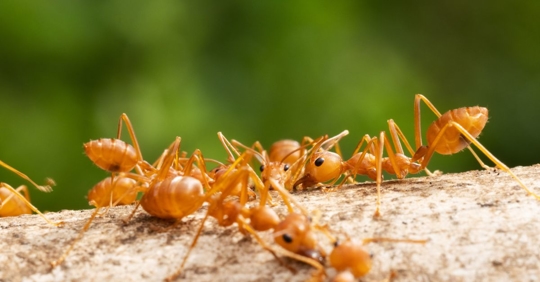
Fire ants are among the most notorious. These reddish-brown ants are known for building large mounds and delivering painful stings. They can quickly take over lawns, gardens, and play areas, disrupting outdoor activities while threatening pets and children.
Aphids are tiny, soft-bodied insects that cluster on the undersides of leaves and stems. They feed on plant sap, weakening plants and excreting honeydew, which promotes the growth of sooty mold.
Whiteflies are small, white-winged insects that hover around plant foliage. Like aphids, they feed on nutrients and can rapidly multiply under warm spring conditions. Early identification of these pests is critical to prevent infestations from spreading and causing extensive damage.
Fungal Threats in the Spring Landscape
Fungal diseases often emerge in spring, fueled by fluctuating moisture levels and warming temperatures. Two common culprits include:
- Powdery mildew – recognized by white, powdery spots on leaves and stems. It can stunt plant growth, reduce flowering, and weaken overall plant health if not managed early.
- Rust – appears as orange or reddish pustules on leaf undersides. Severe infections can lead to defoliation and diminished aesthetic appeal.
Both diseases thrive under specific conditions. Powdery mildew prefers warm, dry climates, while rust develops in wet, humid environments. Recognizing these preferences can help gardeners implement preventive measures, such as spacing plants for airflow, pruning infected growth, and monitoring for early signs of infection.
Nuisance Wildlife
Spring isn’t just a time for insects and fungi. Certain wildlife also become more active, sometimes causing problems in Texas yards.
- Armadillos dig in search of insects and grubs, uprooting plants and damaging turf.
- Raccoons often explore gardens looking for food, potentially toppling plants, feeders, or trash cans.
- Squirrels and rabbits may chew young plants, bulbs, or ornamental shrubs.
While wildlife can add charm to a garden, it’s essential to manage their activity through humane deterrents, habitat modification, and protective barriers to prevent extensive damage.
Why Pest Management Matters
Pest control isn’t just about keeping a lawn attractive — it has ecological, economic, and practical importance.
- Infestations can reduce property value and aesthetics.
- Invasive insects and fungi threaten native biodiversity and disrupt local ecosystems.
- Damaged plants are more susceptible to further stress, disease, and environmental hazards.
- Without early intervention, pest control costs can escalate.
Understanding these broader impacts reinforces why timely and effective management is critical for a healthy, thriving landscape.
Prevention Strategies
Proactive steps can dramatically reduce spring pest problems:
- Companion planting: Certain plants, like marigolds, naturally deter pests such as nematodes and aphids.
- Beneficial insects: Ladybugs, lacewings, and parasitic wasps prey on common garden pests.
- Native plants: Adapted to local conditions, they attract fewer harmful insects.
- Landscape design: Raised beds, proper irrigation, and soil health improvements reduce stress on plants and make them less attractive to pests.
- Physical barriers: Mesh netting, row covers, and fencing protect plants from insects and wildlife.
Integrated Pest Management
Integrated Pest Management (IPM) combines monitoring, early detection, natural controls, and selective interventions. IPM encourages a balanced approach, reducing reliance on chemical pesticides while maintaining plant health. Biological controls, such as introducing predator insects and habitat enhancements for birds and bats, are sustainable ways to manage pest populations.
Regular inspection and record-keeping allow gardeners to track infestations, anticipate trends, and adjust strategies accordingly. By combining prevention, monitoring, and targeted control, IPM creates long-term resilience in your landscape.
Sustainable Practices for Healthy Landscapes
Strong, healthy plants are naturally more resistant to pests. Focus on:
- Soil health: Composting, mulching, and organic amendments feed plants and support beneficial soil organisms.
- Water management: Avoid overwatering or drought stress, both of which can weaken plants.
- Encouraging beneficial wildlife: Birds, pollinators, and predatory insects help maintain ecological balance.
Sustainable practices reduce the need for chemical intervention while supporting a vibrant, thriving garden ecosystem.
Final Thoughts
Spring pests can be a challenge, but with knowledge, preparation, and a proactive approach, Texas homeowners can enjoy a lush, healthy landscape all season long. Identifying insects, fungi, and wildlife early, combined with thoughtful prevention strategies, Integrated Pest Management, and sustainable practices, will keep your garden flourishing.
Perm-O-Green offers tailored pest control solutions to help protect your lawn and landscape from springtime pests while maintaining ecological balance. With our guidance, your Texas outdoor spaces can thrive safely and sustainably throughout the season.
Reach out to Perm-O-Green online or call (800) 903-1460 today.