
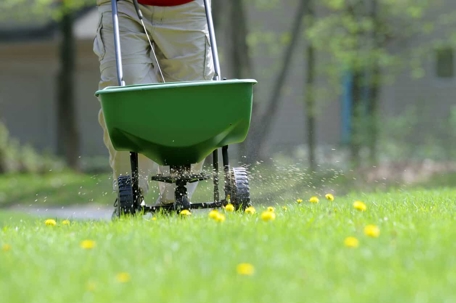
September is a key turning point for lawns in North Texas. After months of intense summer heat, most yards are left stressed, thin, and lacking the nutrients needed to recover on their own. As temperatures begin to cool, your grass shifts from survival mode into recovery mode, but only if the soil still has enough nutrients to support new root growth.
This is why fall lawn fertilization is one of the most important seasonal treatments for Fort Worth homeowners. It helps restore soil health, strengthen roots, and prepare your lawn for winter stress before temperatures drop further.
Why September Is a Critical Time for Lawn Health
Texas lawns, especially bermudagrass and zoysia, go through significant stress during the summer. Heat, foot traffic, and inconsistent rainfall gradually deplete the soil, leaving the grass weak by early fall.
September is when grass begins to recover naturally, but only if conditions support it. Fertilizing during this period helps the lawn store energy in its root system rather than pushing fragile surface growth.
When lawns are low on nutrients, you may notice:
- Grass that looks dull or pale green
- Slower recovery in high-traffic areas
- Thin patches where soil is starting to show
- Increased weed activity around edges and bare spots
These signs often point to a lawn that is struggling to recover from summer stress.
How Fall Fertilization Strengthens Your Lawn Before Winter
As cooler weather approaches, lawns with weak root systems are more vulnerable to winter damage. Cold stress can lead to patchy dieback in areas where roots are shallow or underdeveloped.
Fall fertilization helps prevent this by supporting deeper root growth and improving the lawn’s ability to store nutrients heading into dormancy.
A properly timed treatment can help:
- Improve root strength and depth
- Support healthier spring green-up
- Reduce winter damage in stressed areas
- Limit space for winter weeds to establish
Instead of forcing fast top growth, fall fertilizer focuses on building long-term resilience below the surface.
Why Soil Conditions Matter in North Texas
Much of the Fort Worth area has heavy clay soil, which becomes compacted during long periods of heat and dry weather. When this happens, water and nutrients struggle to reach the root zone effectively.
Even with regular watering, compacted soil can prevent proper absorption, leaving grass underfed and stressed.
When soil conditions are improved and properly nourished, lawns are better able to retain moisture, absorb nutrients, and maintain stronger root systems through seasonal changes.
Lawn Care Habits That Improve Fertilizer Results
Home maintenance plays a big role in how effective seasonal fertilization will be. A few simple adjustments can help your lawn absorb nutrients more efficiently:
- Water deeply a few times per week instead of shallow daily watering
- Leave grass clippings on the lawn to return natural nutrients to the soil
- Remove heavy leaf buildup to prevent suffocation of grass
- Avoid cutting grass too short in late fall
These habits help support root development and improve overall lawn density over time.
Professional Fall Lawn Fertilization in Fort Worth
Timing and application quality matter when it comes to fall lawn care. Applying the right nutrients at the right time helps your lawn recover from summer stress and prepare for colder months ahead.
At Perm-O-Green, we provide seasonal lawn fertilization programs designed for North Texas soil and climate conditions. Our approach focuses on improving root strength, restoring turf density, and supporting long-term lawn health.
If your lawn is showing signs of summer stress or thinning growth, contact our team today for a free estimate at (800) 903-1460.