The Prevalence of Henbit in Texan Winters
As sure as the first chill in the air, Henbit (Lamium amplexicaule) makes its presence known in Texas during the winter months. This common weed, with its square stems and purple flowers, is a winter annual that thrives in the cooler weather of Texas. It is particularly prevalent because of its adaptability and rapid seed dispersal before the spring warmth sets in. Henbit can often be found snuggled into garden beds and turfgrass, thanks to its preference for disturbed soils and reduced competition in the winter season. Spotting Henbit is relatively straightforward—watch for its distinctive scalloped leaves paired oppositely along stems and eye-catching purple blooms that often appear in late winter.
Identifying Henbit is key to managing its spread across landscapes in Texas. This weed can significantly impact lawns and gardens by thickening up low-growing mats that overshadow desirable plants. One effective way to control this tenacious plant is through identifying and removing it before it has the chance to flower and seed. A proactive approach involves maintaining dense, healthy turf that crowds out the opportunities for Henbit to establish. Additionally, monitoring weed pressure throughout the year—and especially during seasonal transitions—can reduce surprise outbreaks in suburban lawns and rural fields alike.
Recognizing Chickweed Throughout the Season
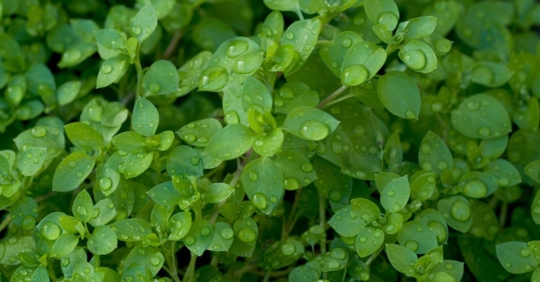
Common Chickweed (Stellaria media) is another winter weed that Texan gardeners must remain vigilant for. This ground-hugging plant, adorned with small starry white flowers and lush green leaves, has an extensive root system that supports its relentless spread. Known for its resilience, Chickweed occupies fallow patches in lawns and cultivated areas where competition is minimal. It often sprouts with the onset of cooler temperatures in Texas and persists in moist, shaded environments where it finds ample opportunity to thrive throughout the season.
Beyond its pervasive reach, Chickweed’s life cycle is fascinating—it utilizes cooler seasons to its advantage by sprouting in autumn and spreading grounds rapidly by setting seed even under the cloak of winter. In responding to its prevalence, gardeners must learn to recognize its paired leaves and delicate flowers. Manual removal is one strategy, particularly in smaller spaces, but emphasis should also be placed on enhancing soil drainage and sunlight penetration to discourage future growth. Understanding the seasonal cues of Chickweed can empower homeowners to target treatment efforts more precisely, inherently reducing its ubiquity in their landscapes.
Understanding Annual Bluegrass and Its Impact
Annual Bluegrass (Poa annua) contains the word “annual,” yet its presence often feels perennial due to its ability to blend into lawns and go undetected until it begins to seed. In winter Texas gardens, Annual Bluegrass thrives because of its liking for cool, moist environments and its adeptness at invading lawns. Characterized by its tufted growth habit and distinguished by lighter green coloring compared to traditional turf species, it sometimes forms subtle clumps that can become quite noticeable (and problematic) when they secrete thousands of seeds in early spring.
The impact of Annual Bluegrass extends beyond aesthetic concerns, as its invasive nature can disrupt the integrity of both lawns and native plant communities. Its rampant growth can usurp water, nutrients, and space that are crucial for the health of desired vegetation. Suppressing Annual Bluegrass requires a multifaceted approach including cultural practices that promote dense, competitive turfgrass coverage, paired with targeted pre-emergent herbicides to prevent its germination in the first place. Texas residents managing turf and garden beds should remain attuned to this weed’s potential impact so they can maintain the vitality and beauty of their landscapes.
Soil and Climate Preferences for Winter Weeds
The varied climatic conditions and soil types found across Texas offer a hospitable environment for the growth of different weed species during winter. Most winter weeds, like Henbit and Chickweed, favor the milder southern climate of Texas, where soils range from sandy loams to clayey compositions. These soils retain moisture during cooler months, providing ideal germination conditions. Temperature thresholds around 50-70°F are particularly favorable for winter weed emergence, matching the seasonal average for many parts of Texas. Consequently, gardeners must be mindful of these conditions as indicators of potential weed outbreaks.
Winter weeds have evolved to exploit the niches provided by Texan soils and climates, inherently aligning their life cycles with the seasonal patterns. Consequently, understanding the connection between specific weeds and their preferred habitats can guide effective management strategies. By anticipating the conditions that favor winter weeds, such as adequate soil moisture and cooler air temperatures, land managers can strategically apply pre-emergent herbicides or engage in other preventive measures ahead of time. Ensuring the soil is well-drained and reducing compaction is also critical in deterring weed establishment.
Habitats Conducive to Weeds in Urban and Rural Areas
Texas hosts a diverse range of habitats where winter weeds make their mark, from widespread urban lawns to the expansive fields of rural areas. In urban environments, impervious surfaces can lead to localized areas of dampness and reduced sunlight—ideal for weed growth. Here, lawns stress under foot traffic can invite Henbit and Chickweed during cooler months. Similarly, in suburban gardens, patches left fallow or simply unkempt through the dormant months are prime territory for these opportunistic plants.
Conversely, rural areas, especially those near agricultural fields or pasturelands, present different challenges. The open fields offer expansive territories for weeds like Annual Bluegrass to proliferate, due to occasional tillage and ongoing soil turnover that exposes seed-rich layers. The prevalent agricultural practices, including irrigation and fertilization, inadvertently encourage rapid weed spread. Farmers and property managers in these settings face the dual challenge of managing both the visible weeds and those lurking below the surface, awaiting their seasonal moment. Thus, an integrated approach that considers both prevention and control tailored to each habitat's unique dynamics is indispensable.
Effects on Native Flora and Ecosystems
Winter weeds like Henbit and Chickweed don't just mar well-manicured lawns; they also present significant challenges to Texas's native flora and ecosystems. By competing for essential resources such as sunlight, water, and nutrients, these aggressive weeds can suppress the growth of native plant species essential for ecosystem balance and biodiversity. The domino effect includes disruptions in food sources for local wildlife and detrimental impacts on pollinator populations. Local research has indicated incidences where dense pockets of Henbit overshadowed native ground cover, causing declines in plant diversity and shifts in species composition in affected areas.
The ecological ramifications extend to altering soil biology, with persistent weed presence impacting soil microbial communities that native plants rely on for nutrient cycling and growth. In this competitive arena, native species often find themselves outcompeted and less robust, aggravating conservation concerns over endemic species preservation. Furthermore, the spread of winter weeds can create conditions favorable for additional invasive species, further threatening biodiversity. To mitigate these impacts, land managers and enthusiasts alike must adopt practices that enhance native resilience and sustainable integrative control methods for weed management.
Economic Implications for Agriculture and Homes
From an economic standpoint, winter weeds pose significant challenges that can ramify into increased maintenance and care costs. In agricultural settings, weed infestations can severely undermine productivity as they siphon resources intended for crops, resulting in lower yields and increased input costs for farmers who must employ integrated pest and herbicide management strategies. The reduced efficiency of resources like fertilizers and irrigation due to interference from weeds hikes up cumulative production costs, burdening local economies reliant on agriculture.
Residential areas are not exempt from financial strain, as homeowners struggle with maintaining visually appealing and functional landscapes. The presence of winter weeds contributes to frequent lawn care needs and potential resale value reductions, particularly when weeds dominate curbside appeal. These economic burdens compel both homeowners and farmers to invest in effective control measures that mitigate the financial hit, whether through routine maintenance practices or one-time investments in herbicides and landscaping improvements. Achieving a clear and comprehensive understanding of specific impacts can inform the formulation of actionable, feasible approaches to manage this seasonal challenge.
Weed Prevention Methods in Texas Winters
Understanding the seasonal nuances of winter weeds is crucial for deploying successful preventative measures against them. In Texas, prevention begins with cultural practices designed to enhance lawn and garden resilience, fundamentally reducing vulnerability to opportunistic winter weeds. One effective approach is maintaining healthy and dense turf that competes fiercely with weeds for space and nutrients, achieved through regular fertilization, proper mowing practices, and aeration during fall—essentially preparing the landscape ahead of winter.
Homeowners can bolster these efforts by implementing sanitation techniques that minimize the opportunity for weed seeds to establish. For example, using mulch to cover exposed soil in garden beds or regularly cleaning and maintaining gardening tools to prevent unintentional dispersal between sites. While these practices alone may not eliminate weed pressure, they represent a collective groundwork upon which more active control measures can build, improving efficacy and reducing reliance on chemical interventions in the long run.
Chemical and Organic Control Options
When prevention alone is inadequate, both chemical and organic weed control options provide robust strategies tailored to the Texan winter context. Chemical controls, particularly pre-emergent herbicides, can effectively hinder the germination of winter weeds like Annual Bluegrass when applied in late fall before seedling establishment. Post-emergent applications help manage visible weed populations and typically feature selective formulations targeting broadleaf weeds such as Henbit and Chickweed without harming desirable turfgrass.
Alternatively, organic control methods offer eco-friendly solutions for those seeking sustainable maintenance practices. Approaches such as corn gluten meal application or strategic hand-pulling in smaller gardens can suppress weeds effectively over time. Companion planting and other biological controls can also play a role in modifying the habitat, reducing weed opportunities. The key to employing both chemical and organic controls is understanding the specifics of each method's application, seasonality, and the delicate timing to align management with the growth cycles of common winter weeds.
Integrating Weed Control into Landscape Management Plans
For long-term success in managing winter weeds, integrating well-conceived weed control into an overarching landscape management plan is imperative. Such plans should consider both immediate needs and ongoing maintenance to ensure the sustainable health of the landscapes. This involves scheduling regular monitoring and maintenance actions, gauging seasonal weed pressures, and adjusting strategies based on an annual assessment of weed presence and ecological feedback.
Moreover, an integrated management plan should reflect a holistic approach, incorporating prevention, cultural practices, and control methods as part of routine landscape care. Scheduled interventions, such as periodic applications of weed control methods combined with efforts to fortify plant health, achieve higher efficacy in problem mitigation. Professionals at Perm-O-Green can offer insights into tailored management services that blend these strategies, helping property owners protect both residential and commercial landscapes from unwanted winter weed invasions.
How to Differentiate Between Similar Weed Species?
Differentiating between similar weed species can be challenging yet pivotal for effective management. Key features to observe include leaf shape, plant habit, flower color, and rooting structures. For instance, Henbit's square stems distinguish it from the round stems of its close counterparts, while the fleshy, smooth leaves of Chickweed set it apart from hairy counterparts. A detailed focus on botanical characteristics during different growth stages can improve identification accuracy, guiding appropriate control measures.
What Are the Best Practices for Removing Established Weeds?
Removing established winter weeds requires a balance of effective yet environmentally conscientious methods. Mechanical means, such as hand-pulling or hoeing, can be potent, particularly when undertaken before seed setting. Ensuring complete root removal minimizes regrowth. For chemical control, targeted applications of herbicides are recommended, taking care to adhere to local environmental guidelines. Integrated strategies like proper irrigation, mulching, and healthy soil practices can supplement these efforts, promoting the competition and coverage that deters weed re-infestation.
How Do Climate Fluctuations Affect Weed Populations Each Year?
Texas's climate fluctuations add complexity to predicting and managing weed populations. Variations in temperature, moisture, and seasonal shifts directly impact the timing and severity of weed germination and growth. For instance, milder winters may foster prolonged weed activity, while fluctuating temperatures can lead to staggered germination bouts. Meteorological data and agricultural reports offer valuable insights for anticipating weed trends in the context of climatic behavior, allowing land managers to adjust practices and mitigate weed impacts proactively.
Take Care of Weeds Quickly and Efficiently This Winter with Perm-O-Green
Winter weeds are an integral part of Texan landscapes, offering challenges for homeowners and professionals alike. From identification to comprehensive management and control strategies, it's crucial to stay informed and proactive. For those in need of expert advice or services, Perm-O-Green—an established authority in sustainable landscaping—stands ready to assist. Don't let winter weeds compromise the beauty and utility of your landscape; contact Perm-O-Green today to discover how our tailored weed control services can help maintain the vibrancy and health of your environment year-round.
Perm-O-Green is available by phone at (800) 903-1460 or you can always send us a message online.