
The Science of Pre-Emergent Herbicides
When it comes to maintaining a lush, weed-free lawn, understanding how pre-emergent herbicides work is crucial. These chemicals are primarily designed to intercept weed seeds before they manage to sprout above the ground. Pre-emergents bind with soil particles and create a chemical barrier that targets the weed seeds in their vulnerable germination stage, preventing them from establishing. It's fascinating how these herbicides chemically create a shield, lingering in the soil, which allows your grass and desirable plants to flourish without competition from unsightly intruders.
Diving deeper into the subject, the chemical composition of these products often includes active ingredients like prodiamine, which play a vital role at the molecular level. Prodiamine inhibits cell division in the seedling’s root system, effectively stunting growth right from the start. By understanding the science behind these herbicides, homeowners and professionals can choose the right product to manage weeds proactively. Additionally, the timing of application is crucial for maximizing their impact—early spring and fall being the most effective times as these periods coincide with the typical growing seasons of many common weeds.
The Dynamics of Post-Emergent Herbicides
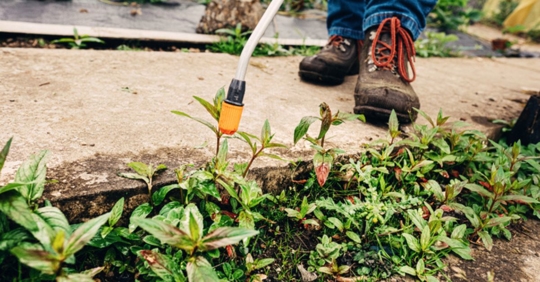
When weeds have already broken through the soil, the battle is far from over. Post-emergent herbicides come to the rescue, and understanding their dynamics can give homeowners and landscapers an edge. These treatments can be classified into contact or systemic forms. Contact herbicides target the surface of the weeds, rapidly drying and killing them by affecting only the part of the plant that's exposed. In contrast, systemic herbicides penetrate and move through the plant's vascular system, leading to a more thorough eradication by attacking from within.
Chemical makeup and selectivity are crucial factors to consider with post-emergent herbicides. Products like glyphosate are known for their non-selective properties, making them highly effective but potentially dangerous to nearby desirable plants. Selecting the right formulation and understanding its adaptability to different weather and plant growth stages can significantly impact success. For example, certain systemic herbicides are designed to be more effective under particular temperature ranges, or even when the weeds are in specific stages of growth, ensuring that your efforts translate to visible and lasting results.
Pre-Emergent Uses and Limitations
Pre-emergent herbicides play an invaluable role in the care of established lawns and gardens, especially with regards to maintaining long stretches of weed-free green. The major benefit of these applications is their preventive nature, helping manage potential weed infestations before they can become a problem. Nevertheless, they are not without their constraints. These herbicides do not discriminate between plant types, which can pose challenges, especially when establishing a new lawn or garden where germination of all plants is desired.
Beyond usage, storage and shelf life concerns often accompany pre-emergent herbicides. These products are sensitive to environmental factors such as temperature and light, which can degrade their efficacy over time. Proper storage in a cool, dark place extends their shelf life—a crucial factor to consider for both homeowners and landscaping businesses looking to maintain a reserve of effective weed management solutions. Ensuring that these chemicals remain potent can sustain successful weed control through multiple seasons.
Post-Emergent Uses and Limitations
For visible and established weed problems, post-emergent treatments are invaluable for delivering quick and targeted results. Especially useful for spot treatment, these herbicides allow for precise applications that can tackle expansive weed patches, thereby restoring the health and appearance of your lawn or garden without affecting surrounding plants. This spot-specific application means limited chemical usage, a plus for those watching their ecological footprint or budget.
However, with the rise of chemical resistance in weeds, relying solely on post-emergent solutions can lead to diminishing returns if the applications are not varied or rotated. Weeds can develop resilience, necessitating more frequent reapplication or combination with other methods to maintain effectiveness. Awareness and planning for potential resistance development can form a more sustainable approach to weed management, minimizing the need for constant reapplication and ensuring long-term control.
Pre-Emergent Application Tips
Effectiveness in pre-emergent application is all about timing and techniques that enhance absorption. Applying these herbicides right before a forecasted rainfall or ensuring irrigation follows soon after can dramatically improve their penetration into the soil, reinforcing the barrier against germinating seeds. Ideal application typically happens during early morning or late afternoon when evaporation rates are lower, optimizing the effort in sustaining soil integrity and coverage.
Safety cannot be understated when handling any herbicides. Utilizing the correct equipment, such as spreaders for granular forms or sprayers for liquid applications, will ensure even distribution and optimal uptake. Furthermore, wearing protective gear such as gloves, masks, and long-sleeved clothing helps prevent direct exposure to the chemicals, prioritizing user safety while achieving efficient weed prevention.
Post-Emergent Application Tips
When it comes to post-emergent herbicides, applying them under ideal conditions can make all the difference. Dry, wind-free days are the perfect settings to ensure that the herbicide remains on target, minimizing the risk of drift and unintended damage to desirable plants. Assess the weather forecast to select a day when rain isn't expected for at least 24 hours post-application to ensure the chemical has ample time to work through the plant's system.
Understanding the nuances of mixing and applying post-emergent herbicides is important for effectiveness and safety. Carefully following tank mix instructions helps achieve the right concentration, ensuring that a balance is struck between effectiveness and safety. By adhering to recommended application rates and employing proper protective measures, both the applicator and the environment remain safeguarded, promoting responsible weed management practices.
Implications of Herbicide Usage on Non-target Organisms
The use of herbicides can have significant ecological ramifications beyond the intended targets. Some formulations may inadvertently affect soil health, disrupting natural ecosystems that include beneficial microorganisms essential for a thriving garden or lawn. These microbes play a vital role in nutrient cycling and organic matter decomposition, which can be diminished by aggressive herbicide chemicals.
Additionally, incorrect application or drift of herbicides can pose risks to native plant species that contribute to the natural biodiversity of an area. Ensuring that application processes are carefully planned and executed reduces the chance of harming these vital companion species, preserving your landscape's natural balance and integrity. Taking these factors into account helps foster an environmentally conscious approach to weed control.
Herbicide Run-off and Waterway Contamination
One of the most pressing environmental concerns associated with herbicides is their potential to contaminate waterways through run-off. Implementing buffer zones around streams or drainage areas can significantly mitigate this risk, acting as protective barriers that limit chemical penetration into sensitive aquatic ecosystems. These strategies are not only vital for ecological sustainability but are also often enforced by regulations governing chemical application near water bodies.
It is essential to stay informed and compliant with local regulations and guidelines regarding herbicide use. Adopting best practices in ensuring effective yet environmentally-friendly weed management strategies not only aids in preserving the ecosystem but also aligns with legal standards, reflecting a commitment to responsible gardening and land care.
Tailoring Strategies for Residential Lawns
Every residential lawn is unique, and designing a personalized weed control strategy can address homeowners' diverse concerns. From lush lawns to minimalist gardens, balancing aesthetics with practicality ensures that landscapes remain vibrant without sacrificing ease of maintenance. Identifying specific turf types enables the selection of suitable herbicides that bolster the health and appearance of the lawn, achieving desired results efficiently.
Simultaneously, addressing common homeowner challenges, from pesky broadleaf weeds to invasive grasses, with tailored solutions helps foster a happier and healthier environment. Walking the thin line between curb appeal and ecological responsibility ensures that you maintain a property that is as charming as it is functional.
Commercial and Agricultural Considerations
On a larger scale, commercial and agricultural operations require intricate planning and logistics to effectively manage weed control. Large tracts of land call for efficient strategies that optimize both resources and labor, ensuring that wide areas remain manageable and productive. The vast scale presents challenges yet unlocks opportunities to integrate chemical methods with sustainable practices, such as companion planting or mechanical weeding, to embody holistic land management.
Integrating these methods effectively demonstrates an understanding of the balancing act required to maintain extensive landscapes while preserving ecological harmony. Discussing these strategies not only sets the stage for robust, enduring weed management but aligns with the growing trend toward sustainable and responsible farming practices.
For Weed Control You Can Rely On, Call Perm-O-Green
Perm-O-Green specializes in delivering efficient, customized landscaping services tailored to your specific lawn and garden needs. Whether you're struggling with persistent weeds or aiming to enhance the aesthetic appeal of your landscape, our expert weed control team is ready to provide comprehensive solutions that put your space one step closer to perfection. Reach out to us today and discover how our personalized service can transform your lawn into a verdant oasis.
Call Perm-O-Green now at (800) 903-1460 or contact us online.